Accelerometer Interfacing with AVR

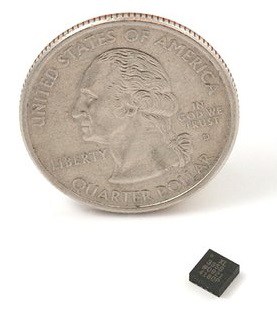
ADXL335 size

The article covers how to interface an accelerometer with the atmega32/atmega16. Before proceeding, the user must know the basics of ADC (Analogy to digital converter) of the AVR. An accelerometer is an electromechanical device that measures acceleration forces. These forces may be static, like the constant force of gravity pulling at your feet, or they could be dynamic – caused by moving or vibrating the accelerometer. Accelerometers are of two types Analog and Digital. In this post, we will be discussing Analog accelerometers. They give voltage as output which is proportional to acceleration. The digital one gives the PWM output or direct binary digital data

Continue reading

All you need to know about AVR fuses

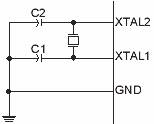
avr crystal oscillator

AVR lock bits and fuses are one of the topics that may cause some confusion. If you missed something or set one bit wrong, it may lead to failure – bricking the whole AVR chip. So it is important to understand once and do things right. Even though datasheets give enough information about AVR fuses, many times, we feel somewhat unsure before executing the write command. Let us go through the main features of AVR fuses and lock bits so next time we would feel safe and get the expected results.

Continue reading

Introducing to STM32 ADC programming. Part2

After we had a quick overview of the STM32 ADC peripheral, we can dig deeper into specifics. To understand simple things, let’s go with the simplest case – single conversion mode. In this mode, ADC does one conversion and then stops. After the ADC conversion result is stored into the 16-bit ADC_DR data register (remember that the conversion result is 12-bit), then the End of Conversion (EOC) flag is set. An interrupt is generated if the EOCIE flag is set. The same situation is if the injected channel is converted. The difference is that the result is stored in the corresponding ADC_DRJx register, the JEOC flag is set, an interrupt is generated if the JEOCIE flag is set. In our example, we will measure the internal temperature sensor value and send it using USART. A temperature sensor is internally connected to the ADC1_IN16 channel. The algorithm will start a single conversion and wait for the conversion complete flag EOC. We will then read the ADC value from the ADC_DR register, which will later be used to calculate Celsius’s temperature value…

Continue reading

Introducing to STM32 ADC programming. Part1

STM32 ADC is a pretty complex peripheral. It is designed to be flexible enough to accomplish complex tasks. We will dedicate a few posts where we will try to cover the main features and give working examples of code. The block schematic may look scary the first time, but it can be split into several pieces that are responsible for different functions if you look closer. Will will go through them step by step to make it look brighter.

Continue reading